
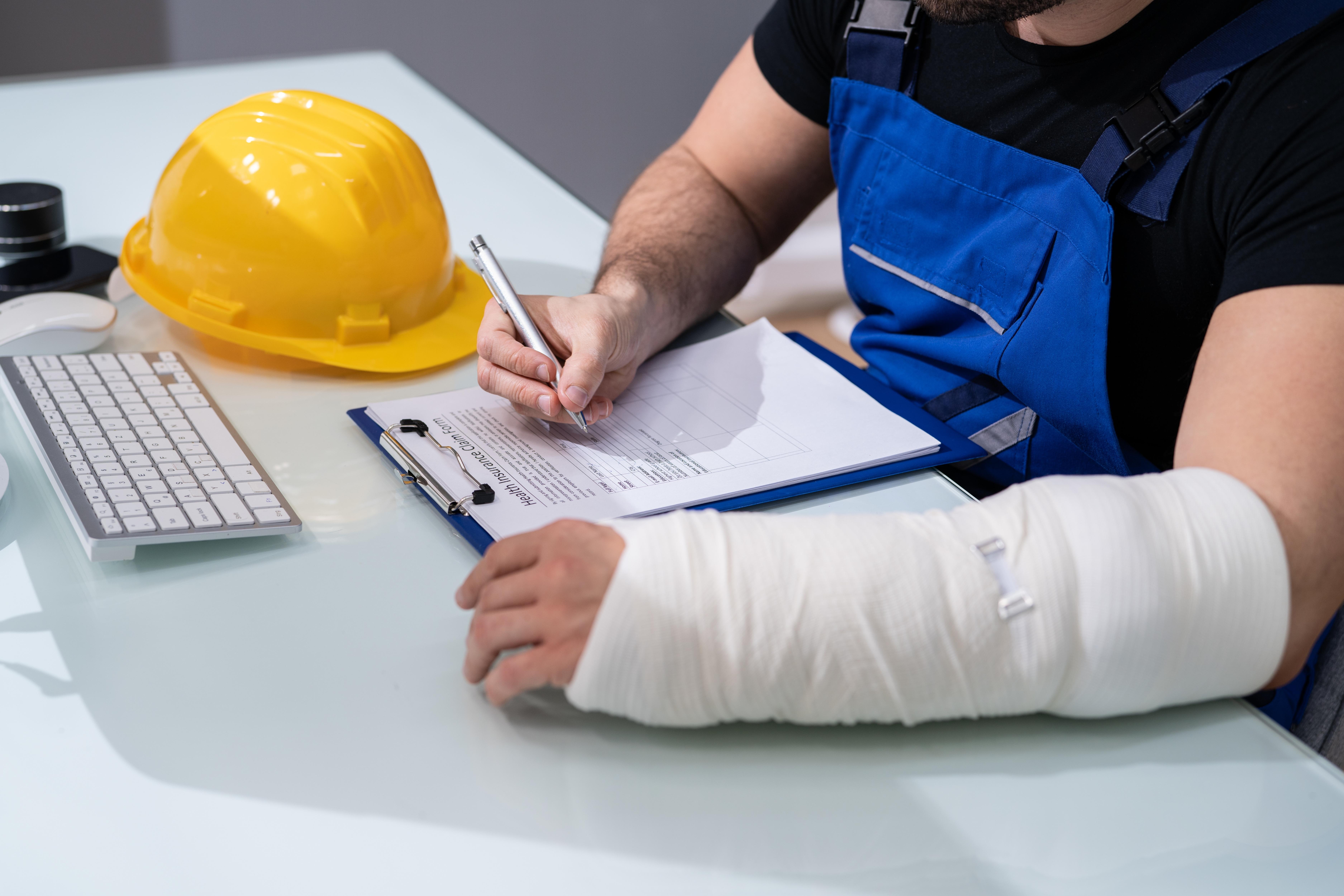
Essential Steps To Take After a Personal Injury
Experiencing an unexpected accident can leave you overwhelmed, especially when you are dealing with pain, appointments, insurance questions, and disruptions to your daily life. Understanding what to do in the aftermath of a personal injury can help you safeguard your well-being and protect your potential legal claim. The guidance below outlines key steps that can support your recovery and strengthen your case should you pursue compensation.
Taking the right actions early can make the process smoother and help you avoid common pitfalls that can affect personal injury matters. The steps below offer practical direction for anyone navigating the aftermath of an accident.
Seek Prompt Medical Attention
Your health is always the top priority. Even if you believe the injury is minor, it is important to be evaluated by a medical professional as soon as you can. Some injuries take time to appear, and early treatment can prevent hidden issues from becoming more serious.
Symptoms like stiffness, discomfort, or reduced mobility may show up later, but getting checked immediately helps document your condition. Medical records provide a timeline of your injuries and care, which can be extremely important if questions arise about how the accident happened or how severely you were affected.
Report the Incident
After an accident, make sure you notify the appropriate individual or organization. Depending on the situation, this may involve contacting law enforcement, alerting an employer, informing a property owner, or completing an official incident report.
Creating a formal record helps establish the basic details of what occurred. Having this information documented at the start can prevent confusion and makes it easier to verify important facts later on.
Document the Scene and Gather Evidence
If you are able, try to capture as much information about the scene as possible before details change or disappear. Evidence collected early can help clarify what happened and support your personal injury claim.
Consider taking photos or videos of:
- Any visible injuries
- Damage to vehicles or property
- Hazards or dangerous conditions
- Weather or lighting conditions
- Warning signs or lack of signage
- The surrounding area where the incident occurred
If witnesses were present, gather their names and contact details. These statements may be useful in understanding the event more clearly as your case progresses.
Organize and Save Important Records
A personal injury can affect many aspects of your life, including your financial stability. Keeping thorough records can help you track these impacts and support your claim.
Be sure to save documentation such as:
- Medical bills and treatment summaries
- Receipts for prescriptions or medical supplies
- Therapy or rehabilitation records
- Repair estimates for damaged property
- Pay stubs reflecting lost income
- Transportation costs for medical visits
Many people also find it helpful to maintain a journal documenting their recovery. Notes about pain levels, mobility challenges, daily limitations, and sleep issues can help illustrate how the injury has affected your everyday life.
Use Caution When Speaking With Insurance Companies
Insurance adjusters often reach out shortly after an accident. Although they may seem supportive, it is important to be careful when communicating with them. A recorded statement, signed document, or early settlement offer may not be in your best interest.
Early settlements often fail to consider future treatment, long-term recovery needs, or ongoing financial losses. Before agreeing to anything, make sure you fully understand your rights and the potential impact on your personal injury claim.
Follow Your Medical Treatment Plan
Once you start treatment, make sure you continue attending appointments and following your doctor’s recommendations. Gaps in care or missed visits can weaken the connection between your injuries and the accident.
If you have concerns about your treatment plan or feel it is not helping, speak with your healthcare provider rather than stopping on your own. Consistent care helps support both your healing and your claim.
Limit Social Media Activity
Many individuals do not realize how social media activity can influence a personal injury case. Photos, comments, check-ins, or even seemingly harmless posts may be taken out of context and used to challenge your injuries or credibility.
While your claim is ongoing, it is generally best to avoid posting about the accident, your health, or your recovery. Keeping your private information offline can help protect your case.
Do Not Delay Taking Action
Personal injury claims are subject to filing deadlines, which vary depending on the type of case and where the accident occurred. Waiting too long can make it difficult to gather evidence, locate witnesses, or preserve important details.
Seeking guidance early helps you better understand your options and ensures you do not miss important deadlines. Acting sooner rather than later can strengthen your ability to pursue the compensation you may be entitled to.
The steps you take after a personal injury can shape your recovery and your claim. While every situation is different, responding quickly, keeping detailed records, and staying informed can help you avoid common mistakes. If you need support or have questions after an accident, reach out to Manns Law Firm for assistance. Our team is here to guide you through the process.